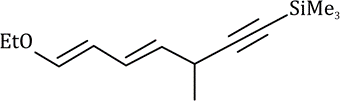
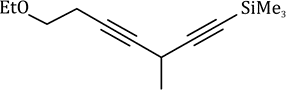
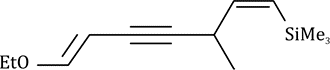
Correct option is A
The partial reduction of substrates containing triple bonds is of considerable importance not only in research, but also commercially for stereoselectively introducing (Z)-double bonds into molecular frameworks of perfumes, carotenoids, and many natural products. As with catalytic hydrogenation of alkenes, the two hydrogen atoms add syn from the catalyst to the triple bond. The high selectivity for alkene formation is due to the strong absorption of the alkyne on the surface of the catalyst, which displaces the alkene and blocks its re-adsorption. The two principal metals used as catalysts to accomplish semireduction of alkynes are palladium and nickel.
Preparation of (Z)-Alkenes Using Lindlar-Type Catalysts
The classical route for the chemo- and stereoselective semihydrogenation of internal alkynes to cis-alkenes uses Lindlar's catalyst, Pd deposited on CaCO3 or BaCO3 and treated with Pb(OAc)2. In the presence of quinoline, the procedure usually affords the corresponding (Z)- alkenes in high yields and isomeric purities. Quinoline deactivates the palladium catalyst, reducing the chance of overreduction to saturated compounds. The catalyst is pyrophoric in hydrocarbon solvents.
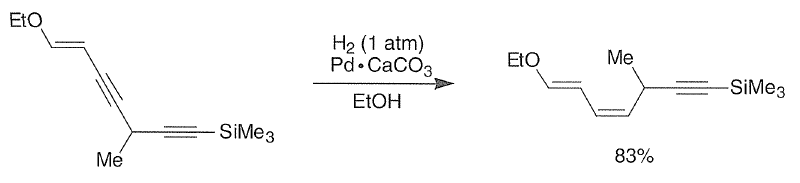
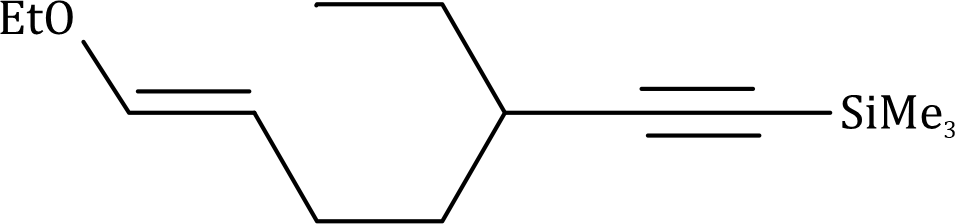
Reduction of nonconjugated diynes with Lindlar's catalyst produces the corresponding (Z,Z)-dienes in good yields. An acetylenic trimethylsilyl group can be used as a blocking group to slow semihydrogenation of the silyl-bearing alkyne relative to other internal ethynyl moieties, as illustrated below: