Correct option is B
Explanation:
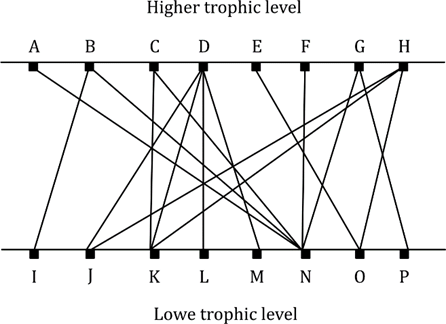
Biomagnification refers to the increasing concentration of certain pollutants as they move up the trophic levels in an ecosystem. Mercury, Persistent Organic Pollutants (POPs), and selenium are all substances that concentrate in higher trophic levels. This happens because they are persistent in the environment and accumulate in the tissues of organisms. However, phosphate does not biomagnify. Instead, it is a nutrient that is often used by organisms and cycles through ecosystems without accumulating in higher trophic levels.
Information Booster:
Mercury is a toxic heavy metal that biomagnifies and can cause health problems in higher trophic levels, especially in aquatic systems.
Persistent Organic Pollutants (POPs) include chemicals like DDT and PCBs, which remain in the environment for long periods and increase in concentration as they move up the food chain.
Selenium is an essential element, but in excess, it can cause toxicity and biomagnification, especially in aquatic ecosystems.
Phosphate is a crucial nutrient for plant and animal growth, but it does not biomagnify since it is consumed and utilized by organisms rather than accumulating in higher trophic levels.
Additional Knowledge:
Mercury (option 1) and POPs (option 3) are well-known examples of pollutants that biomagnify and pose significant risks to ecosystems and human health.
Selenium (option 4), despite being an essential trace element, can accumulate and cause toxicity in certain environments, particularly in aquatic food webs.