Correct option is C
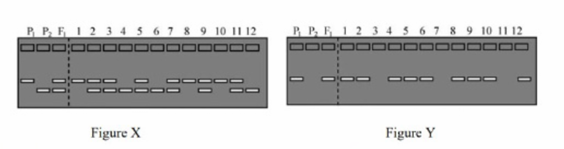
RAPD (Randomly Amplified Polymorphic DNA) is a technique that uses a single primer for the amplification of random DNA regions in a PCR reaction. The primer binds to multiple sites in the genome, generating a variety of amplicons depending on the polymorphisms between the genotypes. RAPD is effective in detecting genetic variation without requiring prior knowledge of the sequence. This single primer amplification technique is widely used in genetic studies for polymorphism detection, genetic diversity, and marker-assisted selection.
Information Booster:
RAPD employs a short, arbitrary primer that can bind to many regions of the genome in a PCR reaction. The variability in the amplified products (bands) is a result of the differences in the DNA sequence between individuals. Since only one primer is used, it simplifies the process compared to other marker techniques that require more complex setups.
Additional Information:
- SSR (Simple Sequence Repeats): SSR uses two primers for amplification, not one, and targets short tandem repeats in the genome. It requires primer pairs to amplify the repeat regions.
- AFLP (Amplified Fragment Length Polymorphism): AFLP involves the use of two primers, one for the restriction enzyme site and another for selective amplification. It is a more complex method compared to RAPD.
- SCAR (Sequence Characterized Amplified Regions): SCAR is based on specific primers that amplify a known region of the genome. It also requires two primers, one for the forward and one for the reverse strand.