arrow
arrow
arrow
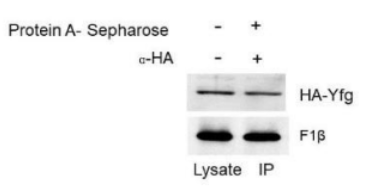
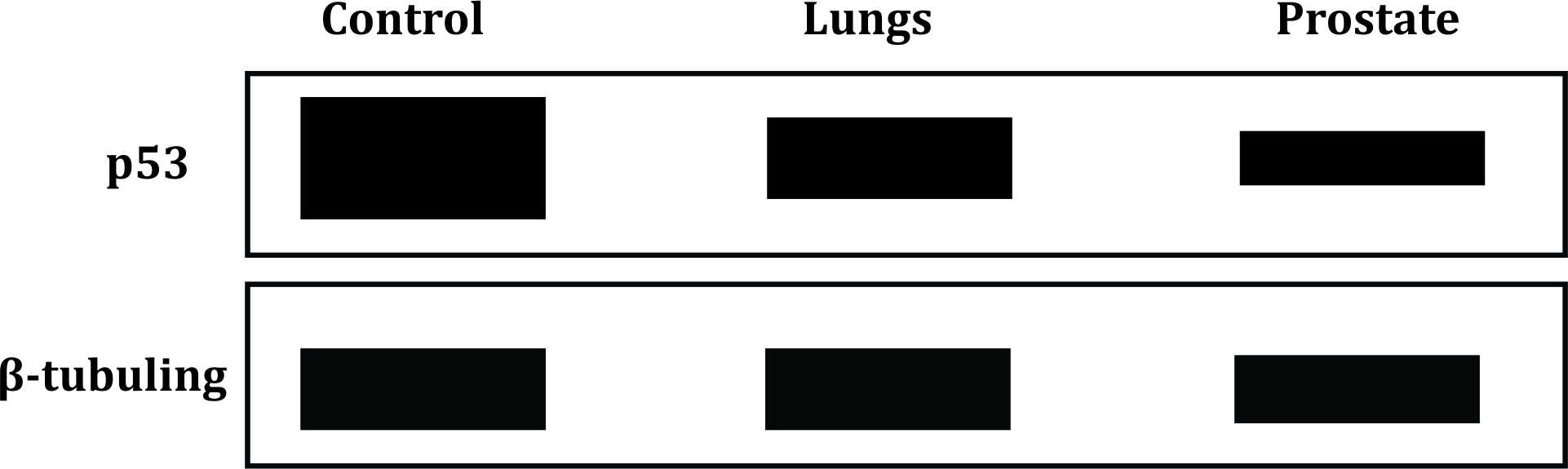
​The Cre-LoxP system was used to knock out the p53 gene from the lungs of mice. An immunoblot analysis was carried out as shown below.​The following A
Question

The Cre-LoxP system was used to knock out the p53 gene from the lungs of mice. An immunoblot analysis was carried out as shown below.


The following Assumptions were made:

A. The LoxP system did not work since the recombinase was not functional.
B. The LoxP sites were introduced under a promoter specific for lungs.
C. The tissue-specified promoter selected was for the prostate gland.
D. The mice died because of being knocked out of p53.
E. The knocked-out mice developed mutagen-induced tumors in their prostate gland more rapidly than in their lungs.

Which of the following is the correct combination of assumptions?

A.

A and D

B.

B and C

C.

C and E

D.

A and E

Correct option is C

Explanation:

Analysis of Assumptions:

Statement C is Correct:

  • The immunoblot shows p53 is absent in lungs but present in the prostate.
  • This suggests that the Cre recombinase activity was not in the lungs but in another tissue.
  • If p53 was removed in the wrong tissue (prostate) instead of lungs, it suggests the promoter was prostate-specific, not lung-specific.

Statement E is Correct:

  • Since p53 is still present in the prostate, this means tumor-suppressor activity is intact there.
  • Knockout in the lungs means those cells cannot suppress tumors effectively, but if tumors in the prostate appear faster, it indicates other genetic or environmental factors enhancing tumor development in that tissue.

Statement A is Incorrect:

  • The Cre-LoxP system worked, but in the wrong tissue.
  • If it had failed completely, p53 would be present in both lungs and prostate, which is not the case.

Statement B is Incorrect:

  • If a lung-specific promoter had been used, p53 should be absent in the lungs only.
  • However, since it appears absent in the prostate, the promoter was likely prostate-specific instead.

Statement D is Incorrect:

  • The mice did not necessarily die because of p53 knockout.
  • p53 knockout alone does not immediately kill mice but increases the risk of tumor development over time.
Similar Questions

test-prime-package

Access ‘CSIR NET Life Sciences’ Mock Tests with

  • 60000+ Mocks and Previous Year Papers
  • Unlimited Re-Attempts
  • Personalised Report Card
  • 500% Refund on Final Selection
  • Largest Community
students-icon
354k+ students have already unlocked exclusive benefits with Test Prime!
test-prime-package

Access ‘CSIR NET Life Sciences’ Mock Tests with

  • 60000+ Mocks and Previous Year Papers
  • Unlimited Re-Attempts
  • Personalised Report Card
  • 500% Refund on Final Selection
  • Largest Community
students-icon
354k+ students have already unlocked exclusive benefits with Test Prime!
Our Plans
Monthsup-arrow