Correct option is D
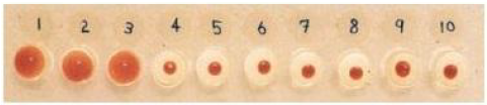
The correct answer is (d) Lab technician 4.
Lab technician 4 followed the correct ELISPOT assay protocol by using 250,000 Peripheral Blood Mononuclear Cells (PBMCs) and stimulating them with TB-specific antigens. This setup ensures the activation of T-cells present in PBMCs, which in turn secrete Interferon gamma (IFNγ) if they recognize the TB antigens. The presence of IFNγ spots indicates an immune response, validating the assay.
Let's evaluate the actions of other technicians:
Technician 1 used formaldehyde-treated cells which are fixed and non-viable, thus unable to secrete IFNγ.
Technician 2 did not stimulate with antigen, so T-cells would not get activated and hence won't release IFNγ.
Technician 3 removed T-cells from PBMCs, leaving only monocytes which are not primary producers of IFNγ in this context.
Therefore, only technician 4 retained all components (intact PBMCs including T-cells) and stimulated with antigen—fulfilling the conditions necessary for IFNγ production and accurate ELISPOT results.