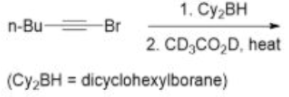
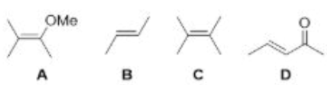
Correct option is C
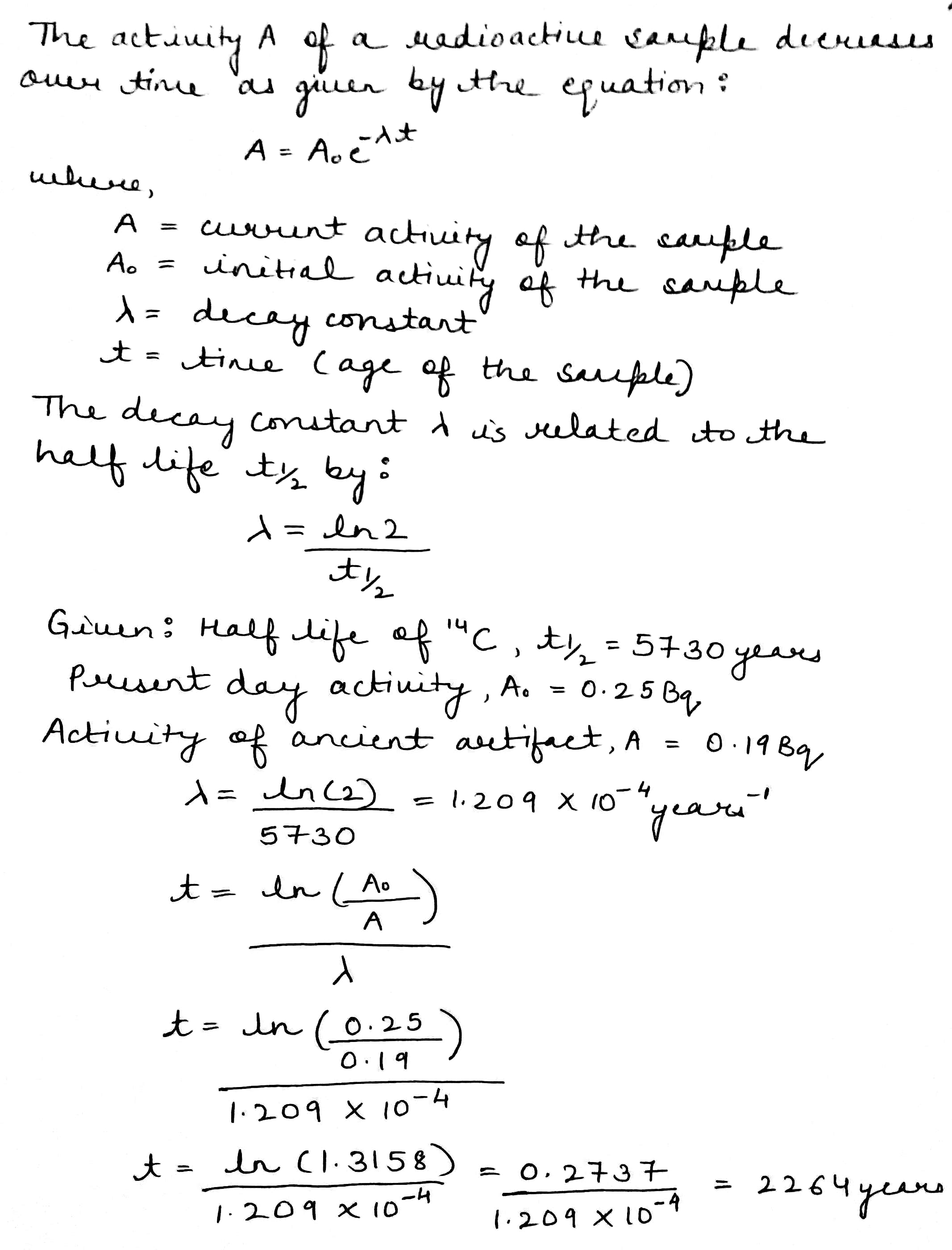
Radiocarbon dating (also referred to as carbon dating or carbon-14 dating) is a method for determining the age of an object containing organic material by using the properties of radiocarbon, a radioactive isotope of carbon.
During its life, a plant or animal is in equilibrium with its surroundings by exchanging carbon either with the atmosphere or through its diet. It will, therefore, have the same proportion of 14C as the atmosphere, or in the case of marine animals or plants, with the ocean. Once it dies, it ceases to acquire 14C, but the 14C within its biological material at that time will continue to decay, and so the ratio of 14C to 12C in its remains will gradually decrease. Because 14C decays at a known rate, the proportion of radiocarbon can be used to determine how long it has been since a given sample stopped exchanging carbon – the older the sample, the less 14C will be left.