
Correct option is C
In the
Simulation Model of teaching (developed by Bruce Joyce and Marsha Weil), the teacher performs all four sequential roles:
Explaining, Refereeing, Coaching, and Discussing (Sequence:
A, B, C, D only).
Basic information about the topic: The Simulation Model relies on experiential learning within a simulated environment where the educator acts as a facilitator, controller, and reflective guide across four structural execution stages.
Information Booster:
Explanation of the correct answer in pointers in detail
· Explaining (Role A):
· The teacher introduces the orientation, rules, procedures, objectives, and roles involved in the simulation game or scenario.
· This initial role ensures that learners understand the underlying concepts, context, and operational guidelines before engaging in the simulation environment.
· Refereeing (Role B):
· The teacher acts as an impartial administrator and monitor, enforcing procedural rules, maintaining time limits, and tracking student actions.
· In this capacity, the teacher ensures that the simulation proceeds smoothly according to defined rules without interfering in the students' independent decision-making.
· Coaching (Role C):
· The teacher provides formative support, guidance, and hints when students encounter obstacles during the exercise.
· This role involves encouraging strategic thinking, offering constructive prompts, and helping participants reflect on their actions in real time without directly giving away solutions.
· Discussing (Role D):
· Following the simulation exercise, the teacher leads a debriefing session to discuss outcomes, reflect on choices, analyze failures/successes, and draw connections to real-world applications.
· This final role enables students to consolidate their experiential learning, synthesize key insights, and articulate concepts derived from the activity.
Basic information about the topic: The Simulation Model relies on experiential learning within a simulated environment where the educator acts as a facilitator, controller, and reflective guide across four structural execution stages.
Information Booster:
Explanation of the correct answer in pointers in detail
· Explaining (Role A):
· The teacher introduces the orientation, rules, procedures, objectives, and roles involved in the simulation game or scenario.
· This initial role ensures that learners understand the underlying concepts, context, and operational guidelines before engaging in the simulation environment.
· Refereeing (Role B):
· The teacher acts as an impartial administrator and monitor, enforcing procedural rules, maintaining time limits, and tracking student actions.
· In this capacity, the teacher ensures that the simulation proceeds smoothly according to defined rules without interfering in the students' independent decision-making.
· Coaching (Role C):
· The teacher provides formative support, guidance, and hints when students encounter obstacles during the exercise.
· This role involves encouraging strategic thinking, offering constructive prompts, and helping participants reflect on their actions in real time without directly giving away solutions.
· Discussing (Role D):
· Following the simulation exercise, the teacher leads a debriefing session to discuss outcomes, reflect on choices, analyze failures/successes, and draw connections to real-world applications.
· This final role enables students to consolidate their experiential learning, synthesize key insights, and articulate concepts derived from the activity.
 English
 10 Questions
 20 Marks
 12 Mins
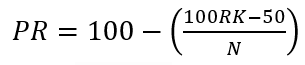 Where
Where



