
Correct option is D
William Chandler Bagley defined the components of 'Social Efficiency' as
Positive, Economic and Negative Morality (Option:
Positive, Economic and Negative Morality).
Information Booster:
Explanation of the correct answer in pointers in detail
·
Concept of Social Efficiency: William Chandler Bagley introduced social efficiency as a primary educational aim, defining it as the development of an individual's capacity to render service to society and pull their own weight without relying on or burdening others.
·
Economic Morality (Self-Sufficiency):
· Refers to an individual's ability to be
economically independent, productive, and self-supporting.
· The curriculum must equip individuals with practical knowledge, skills, and vocational competence so they do not become an economic burden on society.
·
Negative Morality (Harmlessness):
· Refers to
refraining from actions that harm or interfere with the welfare of others.
· It involves self-restraint, respect for laws, civic duty, and ensuring that one's personal pursuits do not negatively impact the peace or rights of the community.
·
Positive Morality (Contribution & Social Service):
· Represents an active commitment to
contributing positively to the social good and common welfare.
· It moves beyond non-interference to include active altruism, social service, civic participation, and advancing democratic and social goals.
Additional Knowledge:
Explanation of the other options apart from the correct statements
·
Positive & Economic Morality:
·
Why it is incomplete: This option omits
Negative Morality, which represents the essential requirement of personal restraint and non-harmfulness toward others in society.
·
Negative Morality:
·
Why it is incomplete: Selecting only
Negative Morality accounts for harmlessness while completely ignoring
Economic Morality (economic productivity) and
Positive Morality (active social contribution).
·
Positive & Negative Morality:
·
Why it is incomplete: This combination ignores
Economic Morality, which Bagley highlighted as the fundamental baseline for an individual to avoid being an economic burden on society.
 English
 10 Questions
 20 Marks
 12 Mins
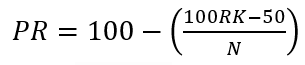 Where
Where



