
Correct option is B
An Indian citizen may lose their citizenship through
Renunciation, Termination, and Deprivation.
Basic information about the topic: The Citizenship Act of 1955 prescribes three distinct legal modes through which an Indian citizen can lose or be deprived of their citizenship:
Renunciation,
Termination, and
Deprivation.
Information Booster: Explanation of the correct answer in pointers in detail
·
Renunciation (Statement B):
· Applies when any full-age and competent Indian citizen makes a voluntary
declaration renouncing their Indian citizenship.
· Upon registration of this declaration by the prescribed authority, that person
ceases to be a citizen of India.
· If a person renounces citizenship, every
minor child of that person also loses Indian citizenship (though such a child may resume Indian citizenship within one year of attaining full age).
·
Termination (Statement D):
· Takes effect automatically by operation of law when an Indian citizen
voluntarily acquires the citizenship of another country.
· Since India strictly follows the principle of
single citizenship, their Indian citizenship is
terminated automatically upon gaining foreign nationality.
·
Deprivation (Statement E):
· Is a
compulsory termination of Indian citizenship ordered by the Central Government on specific statutory grounds.
· Grounds for deprivation include obtaining citizenship through
fraud or misrepresentation, showing
disloyalty to the Constitution of India, unlawfully trading or communicating with an enemy during a war, or being imprisoned in any country for two years within five years of registration/naturalization.
Additional Knowledge: Explanation of the other options apart from the correct statements to explain why these are not correct
·
Naturalization (Statement A):
·
Why Statement A is incorrect:
Naturalization is a method for
acquiring Indian citizenship, not losing it.
· Under Section 6 of the Citizenship Act, 1955, a foreigner who meets specific criteria (such as residency, character, and language proficiency) can apply to be granted Indian citizenship through a certificate of naturalization.
·
Registration (Statement C):
·
Why Statement C is incorrect:
Registration is another legal process for
gaining Indian citizenship under Section 5 of the Citizenship Act, 1955.
· It allows Persons of Indian Origin (PIOs), individuals married to Indian citizens, and minor children of Indian citizens to register formally as citizens of India.
· Because
Naturalization and
Registration are modes of
acquisition rather than
loss, any option including statements A or C is incorrect.
 English
 10 Questions
 20 Marks
 12 Mins
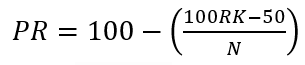 Where
Where



