
Correct option is B
The correct chronological sequence of steps in research report writing is
Conceptual Framework Review of the related literature Research Methodology Data Analysis Findings and Conclusion (Sequence:
A, C, D, E, B).
Basic information about the topic: Writing a research report requires a systematic, structural progression that moves logically from defining theoretical foundations and existing literature to methodological execution, data interpretation, and final conclusions.
Information Booster:
Explanation of the correct answer in pointers in detail
·
Conceptual Framework (Step A — Phase 1):
· The research report begins by establishing the
Conceptual Framework or theoretical grounding, which defines the core problem, research objectives, variables, hypotheses, and theoretical assumptions guiding the study.
·
Review of the Related Literature (Step C — Phase 2):
· Following the initial conceptual layout, the researcher conducts a thorough
Review of the Related Literature to survey existing studies, contextualize the research problem, identify research gaps, and justify the necessity of the current investigation.
·
Research Methodology (Step D — Phase 3):
· This section details the
Research Methodology, outlining the practical design of the study—including population, sampling techniques, data collection instruments, experimental/survey procedures, and ethical considerations.
·
Data Analysis (Step E — Phase 4):
· After collecting data using the specified methodology, the researcher performs
Data Analysis, applying appropriate descriptive and inferential statistical techniques (or qualitative coding methods) to organize, process, and present the raw data systematically.
·
Findings and Conclusion (Step B — Phase 5):
· The final stage presents the
Findings and Conclusion, where the analyzed data is interpreted, research questions/hypotheses are answered, broader implications are discussed, and future recommendations are formulated to conclude the report.
 English
 10 Questions
 20 Marks
 12 Mins
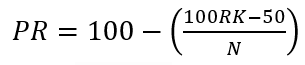 Where
Where



