

arrow
arrow
arrow
Motivation is the driving force behind human activities. Researchers have identified three components of motivation. Motivation can originate external

Reading Comprehension

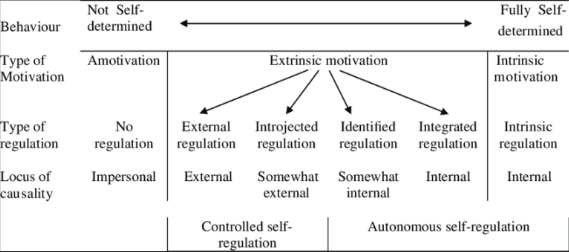
Motivation is the driving force behind human activities. Researchers have identified three components of motivation. Motivation can originate externally or internally, be defined by action or non-action, and is categorized as extrinsic, identified, intrinsic, or introjected.

One of the causes of flow motivation is the idea that “just because an approach or method worked for someone else does not mean that it will work for you.”

Self-determination theory is built on the principle that individuals are actively motivated to pursue their goals, emphasizing autonomy, competence, and relatedness as core psychological needs.

1) Question

What are the three components of motivation?

A.

Need, Persistence, Goal

B.

Activation, Persistence, and Intensity

C.

Intensity, Identification, Drive

D.

Activation, Intensity, and Goal

Correct option is B

Motivation consists of three key components that explain how and why individuals act to achieve goals:

  1. Activation
  2. Persistence
  3. Intensity

Information Booster:

Activation: Refers to the initiation of behavior, such as deciding to start a new activity or pursue a goal. Example: Enrolling in a course to learn a new skill.

Persistence: Involves the sustained effort required to achieve a goal despite obstacles or challenges. Example: Continuing to study even when it feels difficult.

Intensity: Reflects the level of effort and focus a person applies to an activity. Example: Preparing extensively for an important exam with complete dedication
2) Question

What are the components of intrinsic motivation?

A.

Autonomy, Competence, Tendency

B.

Competence, Mastery, Purpose

C.

Mastery, Tendency, Competence

D.

Autonomy, Mastery, and Purpose

Correct option is D

Intrinsic motivation refers to engaging in activities for the inherent satisfaction or enjoyment they provide, rather than for external rewards. Its key components include:

  1. Autonomy
  2. Mastery
  3. Purpose

Information Booster:

Self-Determination Theory (SDT) – Deci & Ryan (1985)

Definition

  • Explains motivation through three basic psychological needs: autonomy, competence, and relatedness.
  • Differentiates intrinsic motivation (internal satisfaction) from extrinsic motivation (external rewards).

Three Basic Needs

  • Autonomy – Desire for control over actions (e.g., students perform better with choice).
  • Competence – Need to feel skilled and capable (e.g., gamers stay engaged when improving).
  • Relatedness – Need for social connection (e.g., employees work harder in a supportive team).

3) Question

"Just because an approach or method worked for someone else does not mean that it will work for you" refers to:

A.

One size fits all

B.

Absurd function approach

C.

There is no common approach for all

D.

The approach will work for me

Correct option is C

Additional Information:

  1. One Size Fits All
    • A standardized approach that assumes a single solution is suitable for everyone, regardless of individual differences.
    • Example: A universal training program designed for all employees without considering their skill levels.
  2. Absurd Function Approach
    • A concept where a method or solution is applied even when it is irrational, impractical, or does not logically fit the situation.
    • Example: Using outdated teaching methods in a modern digital classroom.
  3. The Approach Will Work for Me
    • Indicates a belief that a specific method or strategy is suitable for an individual’s unique needs.
    • Example: A person choosing a particular diet plan because it aligns with their lifestyle and preferences.

4) Question

Self-determination theory is developed by:

A.

Shelley E. Taylor

B.

Deci and Ryan

C.

Barbara Frederickson

D.

Seligman and Lubomirsky

Correct option is B

  • Self-Determination Theory (SDT) was developed by Edward Deci and Richard Ryan in the 1980s.
  • The theory emphasizes that people are inherently motivated to grow and achieve fulfillment when their basic psychological needs are met.

Information Booster:

Three Basic Psychological Needs in SDT:

  1. Autonomy: Feeling in control of one’s actions and decisions.
  2. Competence: Feeling capable of mastering challenges and achieving goals.
  3. Relatedness: Feeling connected and valued in relationships with others.

Additional Information:

  1. Shelley E. Taylor: Known for her work on health psychology and positive illusions, not SDT.
  2. Barbara Frederickson: Associated with the broaden-and-build theory of positive emotions.
  3. Seligman and Lubomirsky: Known for contributions to positive psychology but not SDT.

5) Question

Introjected motivation is:

A.

A negative internalized motivation

B.

A positive externalized motivation

C.

A negative externalized motivation

D.

A positive internalized motivation

Correct option is A

refers to internalized pressure to perform a task, driven by guilt, shame, or a desire for external approval.

Information Booster:

Free Tests

Free
Must Attempt

Basics of Education: Pedagogy, Andragogy, and Hutagogy

languageIcon English
  • pdpQsnIcon10 Questions
  • pdpsheetsIcon20 Marks
  • timerIcon12 Mins
languageIcon English
Free
Must Attempt

UGC NET Paper 1 Mock Test 1

languageIcon English
  • pdpQsnIcon50 Questions
  • pdpsheetsIcon100 Marks
  • timerIcon60 Mins
languageIcon English
Free
Must Attempt

Basics of Education: Pedagogy, Andragogy, and Hutagogy

languageIcon English
  • pdpQsnIcon10 Questions
  • pdpsheetsIcon20 Marks
  • timerIcon12 Mins
languageIcon English

Similar Questions

test-prime-package

Access ‘UGC NET December’ Mock Tests with

  • 60000+ Mocks and Previous Year Papers
  • Unlimited Re-Attempts
  • Personalised Report Card
  • 500% Refund on Final Selection
  • Largest Community
students-icon
354k+ students have already unlocked exclusive benefits with Test Prime!
Our Plans
Monthsup-arrow

