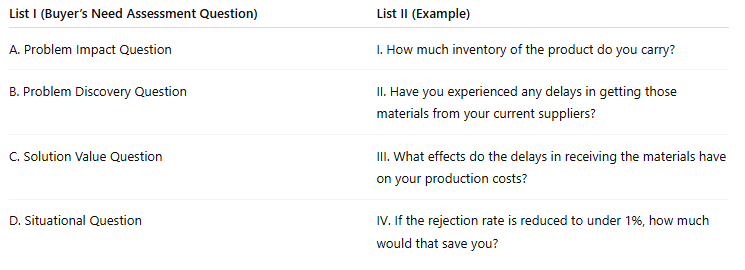
Correct option is D
Customer Engagement Marketing (CEM) is a strategic approach where brands focus on creating meaningful interactions with customers to build lasting relationships. This concept emphasizes active consumer involvement in shaping brand discussions, experiences, and community participation.
In the digital era, companies foster engagement through:
Social media interactions – Encouraging customers to like, share, and comment on content.
User-generated content – Motivating customers to create brand-related posts, reviews, and testimonials.
Personalized marketing – Using AI-driven insights to customize messages and offers.
Community-building – Brands creating online and offline communities for loyal customers.
Continuous engagement – Maintaining long-term relationships through consistent and meaningful conversations.
This approach not only increases brand loyalty but also turns customers into brand advocates. Companies like Apple, Starbucks, and Nike use customer engagement marketing to enhance brand value and sustain competitive advantage.
Information Booster:
Focuses on building long-term relationships rather than just transactional sales.
Leverages technology like AI, chatbots, and personalized email marketing.
Drives customer loyalty and retention through interactive experiences.
Encourages consumers to be co-creators of the brand’s image and message.
Examples include Starbucks Rewards Program, Amazon's AI-driven recommendations, and Sephora's Beauty Insider Community.
Additional Knowledge:
(1) Customer Generated Marketing – This concept refers to marketing strategies where customers create content, such as product reviews, social media posts, and testimonials, that brands use to promote themselves. While it is related to engagement, it does not encompass the broader strategy of fostering continuous interactions.
(2) Societal Marketing Concept – This focuses on balancing company profits, consumer needs, and societal well-being. It emphasizes sustainable and ethical marketing practices rather than direct customer engagement in shaping brand experiences.
(3) Customer Relationship Management (CRM) – CRM is a data-driven strategy used to manage and analyze customer interactions throughout their lifecycle. It involves tracking customer preferences and history to personalize experiences but does not necessarily focus on ongoing consumer involvement in shaping brand conversations.
 English
 10 Questions
 20 Marks
 12 Mins