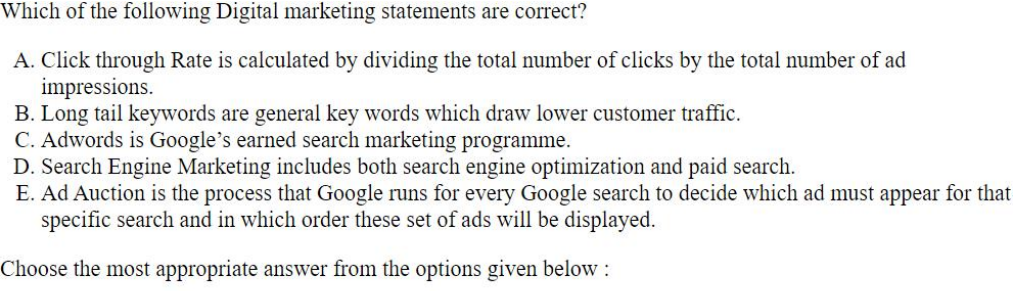
Correct option is B
A. Complex Buying Behavior → I:
In complex buying behavior, consumers are highly involved in the purchase decision because the product is expensive, risky, or infrequent, and they perceive significant differences among brands. Example: Buying a car or a house.
B. Dissonance-Reducing Buying Behavior → IV:
Consumers are highly involved in the purchase because it is expensive or risky, but they perceive little difference between brands. In such cases, they try to minimize post-purchase dissonance (buyer’s regret). Example: Buying furniture.
C. Habitual Buying Behavior → II:
In habitual buying, consumers show low involvement and do not perceive significant differences among brands. These purchases are routine and repetitive. Example: Buying bread or milk.
D. Variety Seeking Buying Behavior → III:
In variety-seeking behavior, consumers have low involvement but perceive significant brand differences. They often switch brands out of curiosity or desire for change rather than dissatisfaction. Example: Buying snacks or beverages.
Information Booster
- Complex Buying Behavior: Requires research and comparison due to high involvement and perceived differences. Often seen in durable goods purchases.
- Dissonance-Reducing Behavior: High involvement but low perceived brand differences lead to concern over making the right choice. Post-purchase reassurance is critical here.
- Habitual Buying Behavior: Relies on habit or familiarity with the product. Decisions are quick and based on brand loyalty or convenience.
- Variety Seeking Behavior: Characterized by brand switching despite satisfaction. The motivation is curiosity, exploration, or preference for novelty.
 English
 10 Questions
 20 Marks
 12 Mins