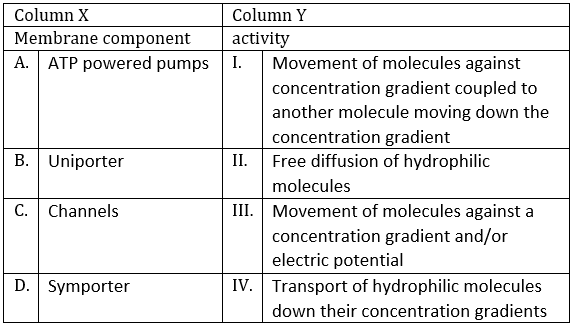
Correct option is C
Mitochondria-associated ER membranes (MAM) refer to the specialized regions where the endoplasmic reticulum (ER) is in close contact with the mitochondrial outer membrane. These regions play crucial roles in cellular functions by facilitating the exchange of lipids, ions, and other molecules between the ER and mitochondria.
One of the primary functions associated with MAM is phospholipid metabolism, particularly the synthesis and transfer of lipids to the mitochondria, which is vital for maintaining mitochondrial membranes and supporting mitochondrial function.
- Phospholipid metabolism is vital for mitochondrial membrane composition, particularly the production of phospholipids like cardiolipin, which is critical for mitochondrial function.
- MAMs are involved in the regulation of calcium signaling between the ER and mitochondria.
- MAMs also assist in lipid transport from the ER to mitochondria, influencing processes like mitochondrial membrane biogenesis and energy production.
Information Booster:
- MAM regions are involved in lipid biosynthesis, contributing to the formation of cardiolipin, a lipid unique to the inner mitochondrial membrane.
- They facilitate the transfer of lipids from the ER to mitochondria to maintain mitochondrial membrane integrity.
- MAMs are also crucial for the regulation of calcium homeostasis, which affects mitochondrial metabolism.
- The MAM-mitochondria interface plays a role in mitochondrial dynamics, including fission and fusion events.
- MAMs contribute to mitochondrial biogenesis by regulating the supply of necessary lipids and other molecules.
- They are involved in cellular stress responses, influencing mitochondrial health and apoptosis.