Correct option is C
The correct answer is (c) the Nervous System
Explanation:
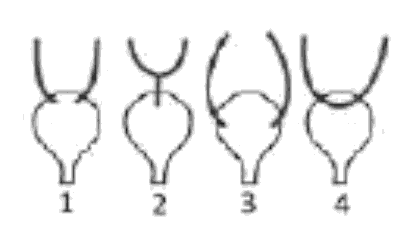
- The Nervous System plays a crucial role in controlling bladder pressure by regulating the storage and release of urine.
- The autonomic nervous system (ANS), particularly the sympathetic and parasympathetic nervous systems, controls bladder contractions and the opening/closing of the urethral sphincter.
- The brain (pons and cerebral cortex) coordinates voluntary and involuntary control over urination.
- Damage to the nervous system (due to spinal cord injury, stroke, or neurological disorders) can lead to bladder dysfunction.
Information Booster:
How the Nervous System Controls Bladder Pressure:
- Sympathetic Nervous System (SNS): Helps in urine storage by relaxing the bladder muscle (detrusor) and contracting the urethral sphincter.
- Parasympathetic Nervous System (PNS): Controls urination by contracting the bladder and relaxing the urethral sphincter.
- Somatic Nervous System: Allows voluntary control over urination through the external urethral sphincter.
- Brain Centers: The pons and cerebral cortex help regulate when and where to urinate.
Additional Knowledge:
Kidney
- The kidneys are bean-shaped organs responsible for filtering blood, removing waste, and balancing fluids in the body.
- They regulate electrolytes, produce hormones (like erythropoietin for RBC production), and maintain acid-base balance.
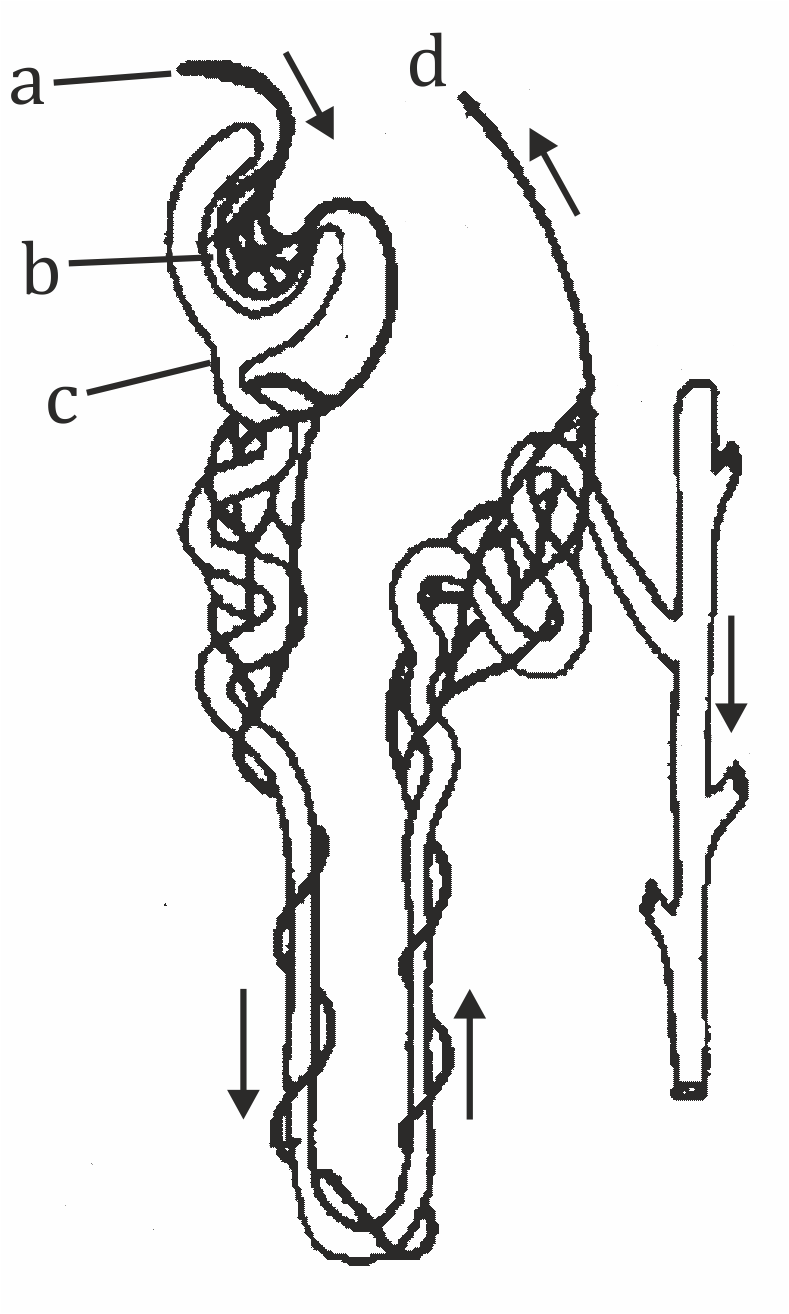
- The functional unit of the kidney is the nephron, which filters waste and reabsorbs essential nutrients.
Blood Pressure
- Blood pressure is the force exerted by blood against artery walls, measured in systolic (heart contracts) and diastolic (heart relaxes) pressure.
- Normal BP is 120/80 mmHg. High BP (Hypertension) increases heart disease risk, while low BP (Hypotension) can cause dizziness or shock.
- BP is regulated by the heart, blood vessels, kidneys, and nervous system through hormones like renin-angiotensin-aldosterone and adrenaline.
Heart:
- The heart is a muscular organ that pumps blood throughout the body, supplying oxygen and nutrients while removing waste.
- It has four chambers:
- Right atrium & Right ventricle (pump deoxygenated blood to the lungs).
- Left atrium & Left ventricle (pump oxygenated blood to the body).
- The heartbeats due to electrical impulses from the sinoatrial (SA) node, known as the natural pacemaker.
 English
 100 Questions
 100 Marks
 90 Mins