Correct option is C
The correct answer is (c) Kidney → Ureters → Urinary Bladder → Urethra
The excretory system in humans is responsible for removing metabolic waste from the body. The correct sequence follows this pathway:
Kidney
- The kidneys filter blood to remove waste, toxins, and excess fluids, forming urine.
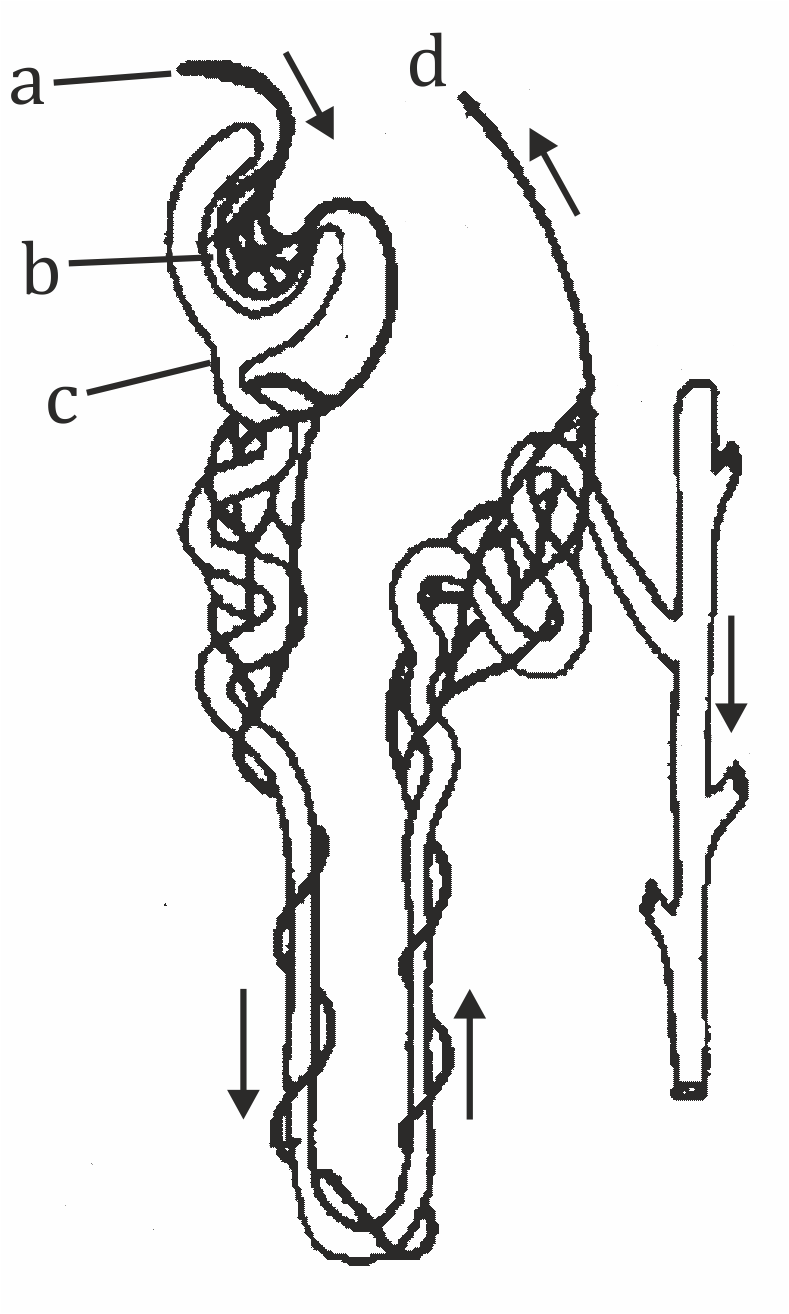
- Each kidney contains around one million nephrons, which are the functional units of filtration.
Ureters
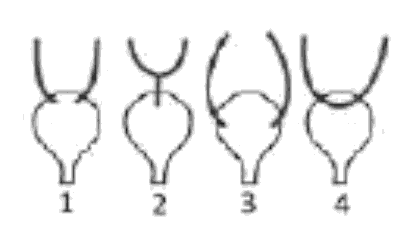
- The urine travels from each kidney through two muscular tubes called ureters to the urinary bladder.
- These tubes prevent the backflow of urine using peristaltic movements.
Urinary Bladder
- The urinary bladder is a hollow, muscular organ that stores urine temporarily.
- It expands as urine collects and contracts when urine is ready to be expelled.
Urethra
- The urine is expelled from the bladder through the urethra, the final passageway of the excretory system.
- In males, the urethra also serves as a passage for semen, whereas in females, it functions solely for urination.
Information Booster:
- The right kidney is slightly lower than the left to accommodate the liver.
- The nephrons in the kidney perform ultrafiltration, reabsorption, and secretion.
- The average adult bladder can store about 400-600 ml of urine.
- The internal urethral sphincter is involuntary, while the external urethral sphincter is under voluntary control.
- Urinary tract infections (UTIs) are more common in females due to their shorter urethra.
- The medical term for painful urination is dysuria.
 English
 100 Questions
 100 Marks
 90 Mins