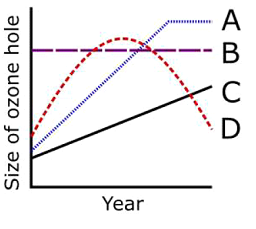
Correct option is B
Stacks are vertical columns or pillars of rock that are formed along coastlines by the erosive action of
sea waves. The process begins when sea waves erode headlands, creating caves. Over time, the caves
deepen and form arches. When the roof of the arch collapses due to further erosion, it leaves behind an
isolated pillar of rock, known as a stack.
· Stacks are common features in areas with high wave energy.
· Famous examples include the Twelve Apostles in Australia and the Old Man of Hoy in Scotland.
Information Booster:
· Formed due to coastal erosion by sea waves.
· Typically found in regions with cliffs.
· Represent the advanced stage of headland erosion.
· Often accompanied by other coastal features like arches and stumps.
· Their height and shape vary depending on the rock type and wave energy.
Additional Knowledge:
·
Rivers: Rivers form features such as meanders, oxbow lakes, and deltas through erosion and deposition.
·
Snow: Snow compacts to form glacial features like moraines, cirques, and arêtes.
·
Wind: Wind erosion leads to the formation of features like dunes, mushroom rocks, and yardangs.
 English
 150 Questions
 150 Marks
 150 Mins