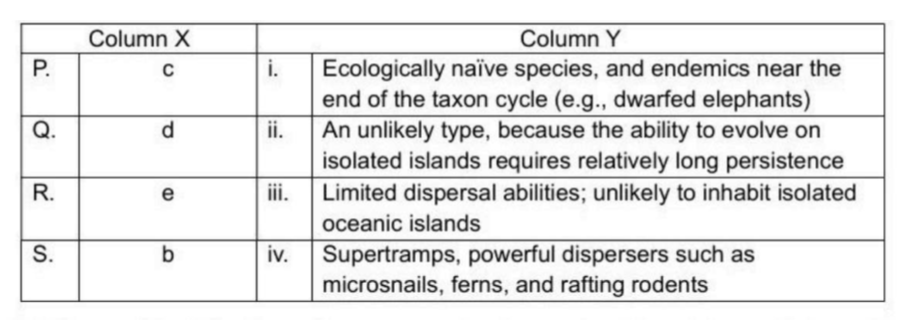
Correct option is C
As part of the Melbourne Code (adopted in 2011), the International Code of Botanical Nomenclature (ICBN) was renamed to International Code of Nomenclature for algae, fungi, and plants (ICNafp). This change reflects a broader scope to include algae and fungi alongside plants, not just focusing on plants alone as was the case under the earlier ICBN.
ICBN was the formal name for the rules and guidelines governing the naming of plants, fungi, and algae. However, after the adoption of the Melbourne Code in 2011, the code's name was expanded to acknowledge the inclusion of algae and fungi, reflecting more modern taxonomic practices.
Why the other options are incorrect:
Option (1) International Code of Zoological Nomenclature (ICZN): This is unrelated to the Melbourne Code or the change in the name of the botanical nomenclature code. ICZN is the code governing the naming of animals and has not been changed in this context.
Option (2) International Code of Nomenclature for Algae, Fungi, and Plants (ICNafp): While this is the updated name of the code after the Melbourne Code, it is not the former name. The former name was ICBN.
Option (4) International Code of Nomenclature for Cultivated Plants (INCP): This is a separate code for the naming of cultivated plants and does not pertain to the Melbourne Code or the general botanical nomenclature code.
Additional Information:
The Melbourne Code (2011) marked the adoption of the new name for the International Code of Nomenclature for algae, fungi, and plants (ICNafp), which replaced the former name International Code of Botanical Nomenclature (ICBN). The change reflects the incorporation of algae and fungi within the scope of the code, in line with modern developments in plant science and taxonomy.
The ICNafp provides guidelines on the naming and classification of plants, fungi, and algae, and serves as the standard reference for taxonomists across these domains.