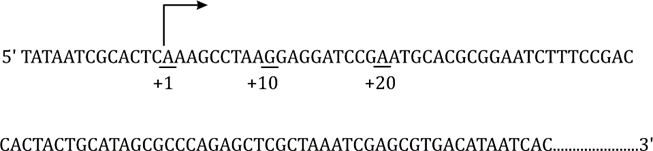
Correct option is A
tmRNA does not add a stop codon to defective or truncated mRNAs. Instead, it rescues stalled ribosomes by serving as both tRNA and mRNA. It adds an amino acid tag that signals unfinished polypeptides for degradation and allows the ribosome to terminate translation. tmRNA releases the stalled ribosome and degrades the defective mRNA, but no stop codon is added to the mRNA itself.
Information Booster:
- tmRNA combines the functions of tRNA and mRNA in bacteria.
- It rescues stalled ribosomes by replacing defective mRNA.
- tmRNA adds a proteolysis-inducing peptide tag to unfinished polypeptides.
- Stalled ribosomes are released and recycled for further translation.
5. tmRNA ensures translation fidelity and prevents the accumulation of defective mRNAs. tmRNA is a bacterial system to rescue ribosomes stalled on defective mRNAs.
6. It acts as both tRNA and mRNA, encoding a degradation signal for incomplete proteins.
7. The defective mRNA is not repaired but is instead targeted for degradation.
Additional Knowledge:
- Addition of a stop codon (Option a):
tmRNA does not alter the defective mRNA or add a stop codon. Instead, it facilitates termination by encoding its own termination sequence. - Proteolysis-inducing tag (Option b):
tmRNA tags the incomplete polypeptide with a sequence that signals degradation by cellular proteases. This ensures that defective proteins do not accumulate. - Release of defective mRNA (Option c):
tmRNA enables the release of the defective mRNA by displacing it from the ribosome, allowing degradation of the faulty mRNA. - Ribosome recycling (Option d):
tmRNA helps disassemble stalled ribosome complexes, making them available for new rounds of translation.