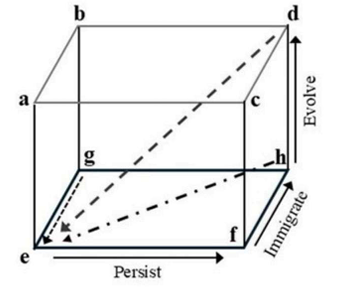
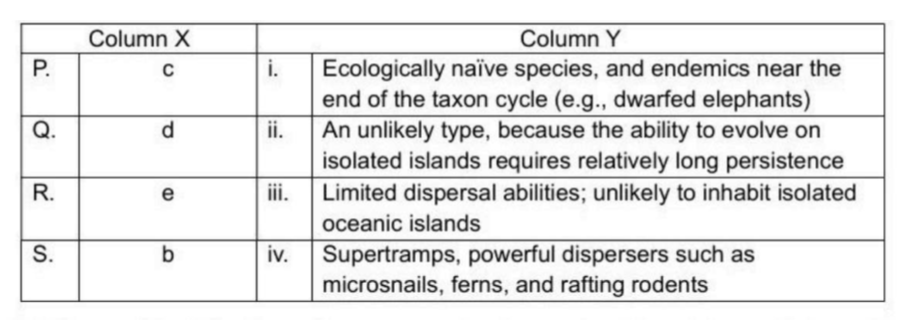
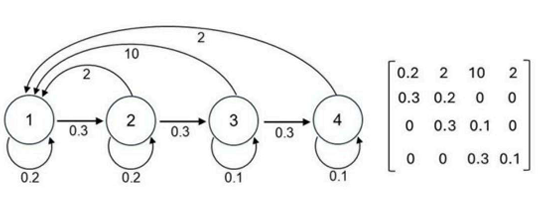
Correct option is B
The resolving power of a bright-field microscope refers to its ability to distinguish two closely spaced objects as separate entities. It is determined by wavelength of light (λ) and numerical aperture (NA) using the formula:
where d is the resolution (minimum distinguishable distance), λ is the wavelength of light, and NA (Numerical Aperture) = n \sin \theta (where n is the refractive index of the medium and θ is the half-angle of light entering the objective lens).
Intensity of Light Does NOT Affect Resolution:
- Light intensity only affects brightness but does not change the wavelength (λ) or numerical aperture (NA).
- Even with higher light intensity, resolution remains the same if wavelength and NA are unchanged.
- However, low intensity might make details harder to see, but it does not fundamentally alter resolving power.
Information Booster
Resolution vs. Magnification:
- Magnification increases image size, but resolution determines clarity and detail.
- High magnification without high resolution results in blurry images.
Refractive Index (n) and Immersion Oil:
- Air (n ≈ 1.0) allows light to scatter, reducing resolution.
- Oil (n ≈ 1.5) reduces light refraction, improving resolution.
Electron Microscopes vs. Light Microscopes:
- Electron microscopes use electron beams (~0.005 nm wavelength), achieving much higher resolution than light microscopes.
Additional Information
Option (1) Color of Light (Incorrect - Affects Resolution)
- Blue light improves resolution, red light worsens it.
Option (3) Angle of Admittance of Light (Incorrect - Affects Resolution)
- A larger angle increases NA, improving resolution.
Option (4) Medium Between Lens and Specimen (Incorrect - Affects Resolution)
- Oil immersion increases NA, improving resolution.