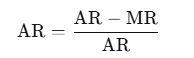
Correct option is D
Salt is often considered a necessity or essential product. It is widely used in various food preparations and is a basic ingredient in many recipes. The demand for salt is generally more inelastic because it is a staple item that people continue to purchase regardless of changes in price.
Salt has limited substitutes, and its price forms a relatively small proportion of the overall cost of food items. As a result, consumers are less likely to significantly alter their consumption patterns in response to changes in the price of salt. The demand for salt remains relatively constant, even if there are fluctuations in its price.
On the other hand,
commodities like cigarettes, soap, and ice-cream are typically considered non-essential or luxury goods. Consumers have more flexibility in their consumption choices and are more responsive to price changes.
These goods tend to have a more elastic demand, as consumers may reduce their consumption or switch to alternatives when prices increase.
 English
 10 Questions
 20 Marks
 12 Mins