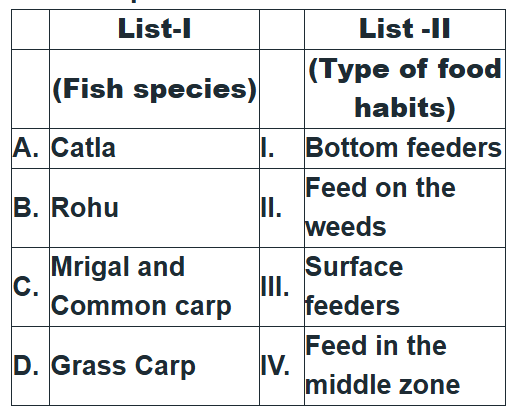
Correct option is B
The Correct Answer is (b) Symbiotic
Explanation:
- A symbiotic relationship refers to a close, long-term interaction between two different species that live together and mutually benefit by sharing shelter and nutrients. This relationship can be of different types, including mutualism, commensalism, and parasitism, depending on the benefits and effects on the involved organisms.
Example of Symbiotic Relationship:
- Lichen (Mutualism): A combination of algae and fungi, where the algae provide food through photosynthesis, and the fungi offer protection and nutrients.
- Rhizobium Bacteria and Leguminous Plants: The bacteria fix atmospheric nitrogen for plants, while the plants provide shelter and nutrients to the bacteria.
- Humans and Gut Bacteria: Beneficial bacteria in our intestines help in digestion and produce vitamins, while they get food and shelter in return.
Information Booster:
Types of Symbiotic Relationships:
- Mutualism: Both organisms benefit (e.g., bees and flowers).
- Commensalism: One organism benefits while the other is unaffected (e.g., barnacles on whales).
- Parasitism: One organism benefits at the cost of the other (e.g., ticks on animals).
Importance of Symbiosis:
- Helps in nutrient cycling and energy flow in ecosystems.
- Enhances survival and adaptation of organisms.
- Plays a key role in agriculture (nitrogen fixation) and medicine (gut microbiome studies).
Additional Information:
Saprotrophic :
- Saprotrophs (e.g., fungi and some bacteria) obtain nutrients by decomposing dead organic matter.
- They do not share shelter or nutrients with living organisms.
Parasites :
- Parasites live inside or on a host, benefiting at the expense of the host.
- Unlike symbiotic relationships, parasitism harms the host instead of mutual sharing.
Heterotrophs :
- Heterotrophs obtain food from other organisms, but this does not necessarily involve a symbiotic relationship.
- Example: Humans, animals, and fungi rely on plants or other animals for food.
 English
 15 Questions
 45 Marks
 18 Mins