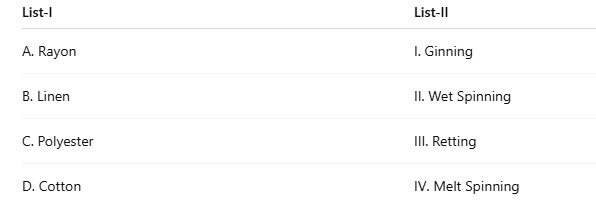
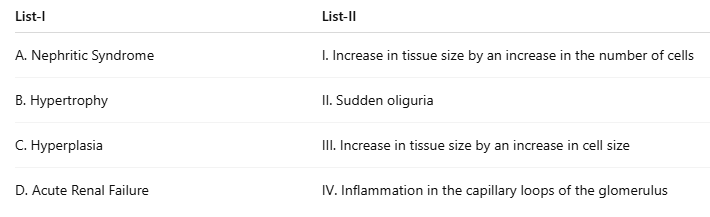
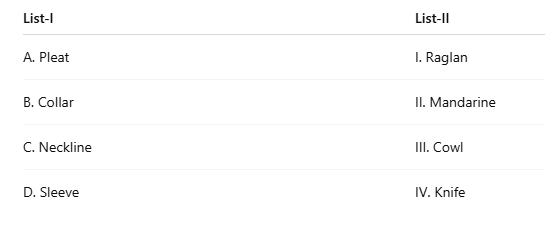
Correct option is A
Middle-aged adults face more challenges when losing their jobs compared to younger workers.
· Longer Unemployment Periods: Employers may prefer younger candidates due to lower salary expectations, adaptability, and tech skills.
· Fewer Opportunities for Gratifying Work: Career advancement becomes limited, and mid-career workers often settle for lower-paying or less satisfying jobs.
· Workplace Ageism: Many industries have biases against older workers, making re-employment difficult.
· Financial and Emotional Stress: Job loss at this stage can impact mental health, financial security, and retirement plans.
Information Booster:
Why Middle-Aged Adults Struggle More with Re-employment?
· Higher Salary Expectations: Employers may not want to pay for extensive experience.
· Skill Gaps: Difficulty in adapting to new technologies.
· Health Considerations: Older workers may have more health concerns, affecting hiring decisions.
Ways to Overcome These Challenges:
· Upskilling: Learning new technologies and modern work trends.
· Networking: Using professional contacts for job referrals.
· Freelancing & Consulting: Leveraging experience for independent work.
Additional Information:
1. (b) Tend to find jobs quickly but struggle to stay employed: Not always true; middle-aged workers often struggle to get hired initially.
2. (c) Find it difficult to get jobs but have stable work once employed: They face continued instability in the workforce.
3. (d) Are less likely to become depressed: Middle-aged unemployment increases stress and depression, affecting job prospects.
 English
 10 Questions
 20 Marks
 12 Mins