






Correct option is D
· Serum electrolyte: While serum electrolyte tests are important for assessing electrolyte imbalances that may affect heart function, they are not specific for diagnosing myocardial infarction.
· Check ABG: Arterial blood gas (ABG) analysis measures oxygenation and acid-base status but is not used to detect myocardial infarction.
· Check CBC: A complete blood count (CBC) provides general information about a patient's health, such as signs of infection or anemia, but it does not diagnose myocardial infarction.
· Troponin T: Troponin T is a highly sensitive and specific cardiac biomarker used to detect myocardial infarction. Elevated levels indicate cardiac muscle injury, making it the most appropriate test in this scenario.
Myocardial Infraction - an irreversible damage to the cardiac tissues due to lack of oxygen
· Troponin T and Troponin I are the proteins present in blood which will be released when the cardiac muscle damages
· Hence Troponin T is key marker of Myocardial Infraction.
· Artery blockage contribute to MI
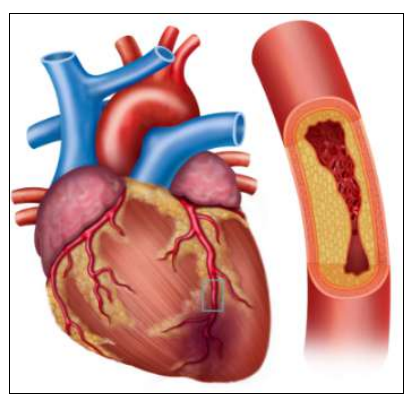
Causes:
· Age
· Family History
· Smoking
· High cholesterol levels
· Diabetes
· Obesity
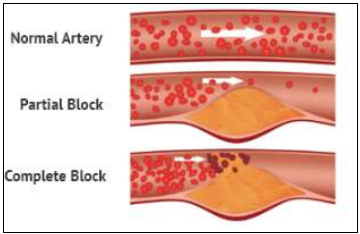
Additional Information:
· ABG - Arterial blood gas analysis where the arterial blood is taken and the gaseous analysis will be done
· Serum electrolytes - the electrolytes like sodium, potassium, calcium and magnesium will be analyzed
· CBC - complete blood count where the blood cells and other components will be analyzed
 English
 10 Questions
 10 Marks
 10 Mins


