Q1.
In a period, elements are arranged in the order of-
Answer & Solution
Correct option is D
The correct answer is (d) Increasing charges in the nucleus.
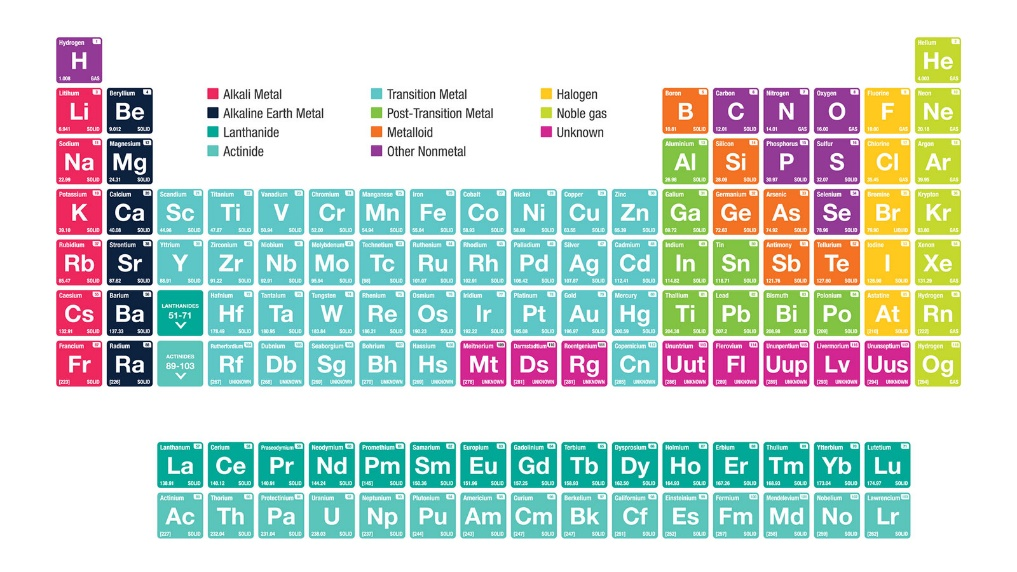
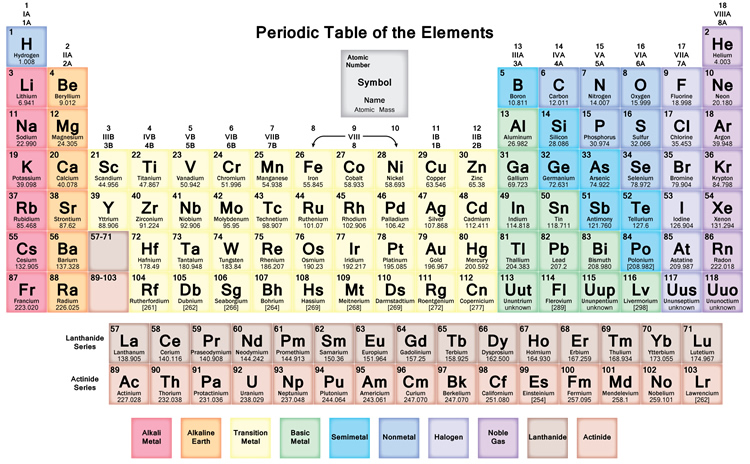
· In the periodic table, elements are arranged in periods (horizontal rows) according to increasing atomic number, which corresponds to the number of protons in the nucleus (nuclear charge).
· As you move from left to right across a period, each successive element has one more proton in its nucleus than the element preceding it, resulting in an increasing nuclear charge.
· This arrangement reflects the periodic law, which states that the properties of elements are a periodic function of their atomic numbers.
Information Booster:
· Equal charges in the nucleus: This would mean elements have the same number of protons in their nuclei, which is incorrect. Each element in a period has a different number of protons.
· Example: Hydrogen has 1 proton, Helium has 2 protons, etc.
· Constant charges in the nucleus: This implies no change in the number of protons across a period, which is incorrect. Each element in a period has a different number of protons.
· Example: Moving from Lithium (3 protons) to Neon (10 protons) in the same period shows an increase in protons.
· Decreasing charges in the nucleus: This would mean elements have progressively fewer protons as you move across a period, which is incorrect. In a period, the number of protons increases from left to right.
· Example: As you move from left to right in a period, the number of protons increases (e.g., Boron with 5 protons to Carbon with 6 protons).