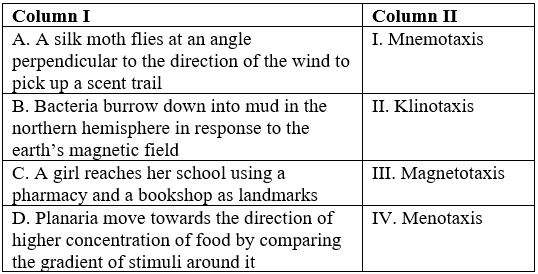
Correct option is B
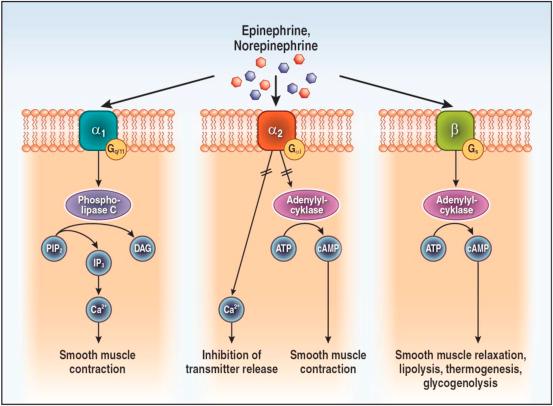
α₂ adrenergic receptors are Gi protein-coupled receptors that inhibit adenylyl cyclase, leading to a decrease in cAMP levels in the postsynaptic target cells when norepinephrine binds to them. This is a negative feedback mechanism that typically reduces the release of neurotransmitters.
Information Booster:
- α₂ adrenergic receptors are primarily involved in inhibitory signaling, acting through Gi proteins to decrease cAMP and inhibit the release of neurotransmitters.
- These receptors are typically found on presynaptic terminals and help in feedback inhibition of norepinephrine release.
- β₁ receptors are involved in increasing cAMP and are mainly found in the heart, where they mediate increased heart rate and contractility.
- β₂ receptors also increase cAMP and are mainly involved in relaxing smooth muscle, such as in the bronchi and vascular smooth muscle.
- α₁ receptors, on the other hand, mediate smooth muscle contraction and increase intracellular calcium via Gq signaling.
Additional Information:
- (a) α₁: Incorrect —These receptors are Gq protein-coupled and lead to an increase in intracellular calcium levels via activation of phospholipase C, not a decrease in cAMP.
- (c) β₁: Incorrect — these are Gs protein-coupled receptors that increase cAMP levels upon activation by norepinephrine or epinephrine .Increases cAMP in the heart, increasing heart rate and contractility.
- (d) β₂: Incorrect —these are Gs protein-coupled receptors that increase cAMP levels upon activation by norepinephrine or epinephrine. Increases cAMP in smooth muscles to mediate vasodilation and bronchodilation