






Correct option is D
In sampling theory,
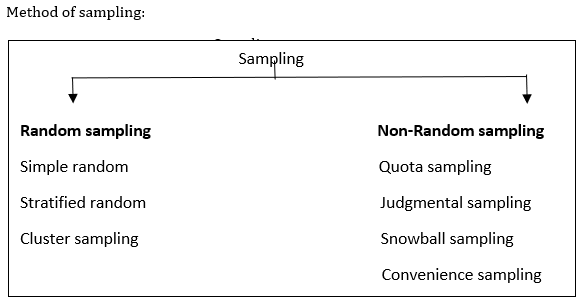
non-random (non-probability) samples are those where the selection of sample units is not based on randomization, and every unit does not have an equal chance of being included in the sample. Here's an analysis of each option:
1.
Systematic sample (A): This is a type of
random sampling, as the first unit is selected randomly, and subsequent units are chosen at regular intervals.
2.
Quota sample (B): This is a
non-probability sample, where the researcher sets quotas for specific sub-groups and selects individuals to fill those quotas without randomization.
3.
Cluster or area sample (C): This is a
probability sampling method where the population is divided into clusters, and entire clusters are randomly selected.
4.
Purposive sample (D): This is a
non-probability sampling method, where the researcher selects units based on their judgment and the purpose of the study.
5.
Replicated sample (E): This is not a standard sampling technique; it often refers to repeating a study or experiment for validation. It does not fall under the classification of non-random sampling.
 English
 10 Questions
 20 Marks
 12 Mins


