






Correct option is A
The correct answer is (A) Plasma.
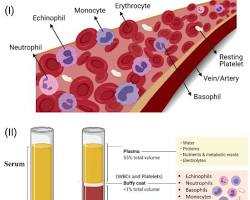
Blood is a specialized connective tissue. It is unique because its matrix is liquid, unlike other tissues. This liquid part is called Plasma, and it constitutes about 55% of the total blood volume. The remaining 45% consists of formed elements (cells) like RBCs, WBCs, and Platelets that float within this plasma.
Information Booster:
- Plasma Composition: It is composed of 90-92% water and 6-8% proteins.
- Major Proteins in Plasma:
- Fibrinogen: Needed for blood clotting (coagulation).
- Globulins: Primarily involved in the body's defense mechanism (immunity).
- Albumins: Help in maintaining the osmotic balance of the blood.
- Serum: When you remove the clotting factors (like fibrinogen) from plasma, the remaining liquid is called Serum.
Additional Knowledge:
- RBCs (Erythrocytes): They are the most abundant cells in the blood. They lack a nucleus in humans to carry more Hemoglobin for oxygen transport.
- WBCs (Leukocytes): Known as the "Soldiers of the Body." They are colorless because they lack hemoglobin and are much fewer in number than RBCs.
- Platelets (Thrombocytes): These are cell fragments produced from Megakaryocytes (special cells in bone marrow). A low platelet count can lead to excessive blood loss from the body.
- pH of Blood: Human blood is slightly alkaline, with a normal pH range of about 7.35 to 7.45.
 English
 100 Questions
 100 Marks
 90 Mins


