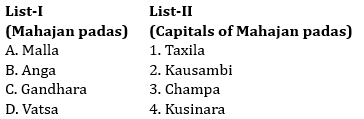
Correct option is B
Epics are long narrative poems or grand compositions that celebrate the heroic deeds of legendary or historical figures, often intertwined with the influence of gods and supernatural elements. Famous examples of epics include the Mahabharata, Iliad, and Odyssey. These compositions often revolve around the struggle between good and evil, human virtues, and divine interventions, encapsulating moral and ethical dilemmas faced by the protagonists. Epics are known for their elaborate storytelling structure, often divided into verses or chapters. They depict heroic adventures, larger-than-life characters, and often include interventions by deities. Epics also serve as a reflection of the culture, beliefs, and values of the period in which they were written.
Information Booster:
· Epics often feature a hero with a fatal flaw (tragic hero).
· The setting of an epic is vast, spanning nations or even the entire universe.
· Common themes include honor, bravery, loyalty, and the struggle between good and evil.
· Epics also focus on the trials and tribulations faced by the central hero.
· They provide insights into the society, politics, and religions of ancient civilizations.
Additional Knowledge:
· Historical texts: These are factual documents or literature that describe historical events, figures, or periods in detail. Unlike epics, they focus on actual events and do not embellish with fictional or supernatural elements.
· Narratives: Narratives are general accounts or stories that may be factual or fictional. They are broader in scope and can range from simple anecdotes to complex stories, but do not specifically emphasize heroic figures or gods like epics do.
· Bibliographies: Bibliographies are lists of sources, books, or references compiled to support academic or literary research. They do not involve storytelling or any form of narrative.
 English
 150 Questions
 150 Marks
 150 Mins