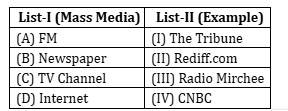
Correct option is A
The assertive style of conflict resolution involves expressing one's feelings, needs, and desires openly and directly, while respecting the rights of others. People who use this style ask for what they want, say "no" when necessary, and act in their best interests without infringing on the rights of others. This is the healthiest and most effective way of handling conflict.
Information Booster:
Assertive communication is clear, direct, and respectful. It allows individuals to express their thoughts and feelings while acknowledging the feelings of others.
An assertive person values their own needs and rights while also respecting others' needs and rights.
The assertive style helps in avoiding the extremes of passivity (not expressing feelings) and aggressiveness (violating others' rights).
People who adopt an assertive style often have higher self-esteem and are better at managing stress and interpersonal relationships.
Assertiveness helps build mutual respect and understanding in relationships, whether personal or professional.
It is also an important tool in self-advocacy, ensuring individuals can stand up for themselves without being disrespectful or harmful to others.
Additional Knowledge:
Passive style involves avoiding conflict by not expressing one's feelings or needs, often leading to resentment or dissatisfaction.
Manipulative style seeks to control others indirectly, using tactics like guilt or deceit to get what one wants.
Aggressive style involves expressing needs and desires in a way that disregards or violates the rights of others, often through hostility or forcefulness.
 English
 10 Questions
 20 Marks
 12 Mins