






Correct option is C
The correct answer is (C) Anthropic
Explanation:
• An epipedon is a diagnostic soil horizon that forms at the soil surface.
• The Anthropic epipedon is a man-made (human-influenced) surface horizon. It has characteristics similar to a Mollic epipedon (dark color, organic matter) but forms due to long-term human activities such as intensive cultivation, heavy manuring, or waste disposal.
• It is distinguished from the Mollic epipedon by its high phosphorus content ($P_2O_5 > 250 ppm$) because of the addition of fertilizers or organic wastes by humans.
• Another human-influenced epipedon is the Plaggen epipedon, formed by long-continued manuring.
Information Booster:
• The word "Anthropic" comes from the Greek word 'anthropos', meaning human.
• Diagnostic horizons are used in Soil Taxonomy to classify soils based on measurable physical and chemical properties.
• Other epipedons include Melanic (volcanic soils), Histic (organic/peat soils), and Folistic.
Additional Knowledge:
• Albic (Option A): Not an epipedon, but a diagnostic sub-surface (endopedon) horizon that is light-colored and leached of clay and oxides.
• Ochric (Option B): A common surface horizon that is too thin, too light in color, or too low in organic matter to be any other epipedon; it is the most common epipedon in arid regions.
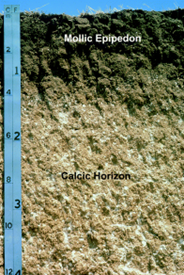
• Mollic (Option D): A natural, dark-colored, thick surface horizon with high base saturation and organic matter, typically found in grassland soils.
 English
 60 Questions
 60 Marks
 45 Mins


