

arrow
arrow
arrow
Waters having three different colours (Red-R, Green-G, Blue-B) and temperatures: 4°C (R), 8°C (G) & 2°C (B), are put in a jar. How would these col
Question

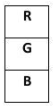
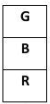
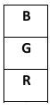
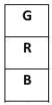
Waters having three different colours (Red-R, Green-G, Blue-B) and temperatures: 4°C (R), 8°C (G) & 2°C (B), are put in a jar. How would these colours appear in the jar initially?

A.

B.

C.

D.

Correct option is B

Given:

  • Red (R) = 4°C
  • Green (G) = 8°C
  • Blue (B) = 2°C

Concept Used:

The positioning of water layers is determined by density, which is inversely related to temperature (i.e., colder water is denser and sinks).
Thus, the colder the water, the lowerit will appear in the jar.

Explanation:

Densities from highest to lowest (based on temperature):

  • Blue (2°C) → Most dense
  • Red (4°C) → Medium dense
  • Green (8°C) → Least dense

So the natural order from bottom to top is:

  • Bottom → Red (4°C)
  • Middle → Blue (2°C)
  • Top → Green (8°C)

This means Blue (2°C)is in the middle, being denser than Green but lighter than Red — due to unique water behavior near 4°C, where water has maximum density.

Final Order:

  • Top: Green (G, 8°C)
  • Middle: Blue (B, 2°C)
  • Bottom: Red (R, 4°C)

test-prime-package

Access ‘CSIR NET- GENERAL APTITUDE’ Mock Tests with

  • 60000+ Mocks and Previous Year Papers
  • Unlimited Re-Attempts
  • Personalised Report Card
  • 500% Refund on Final Selection
  • Largest Community
students-icon
368k+ students have already unlocked exclusive benefits with Test Prime!
test-prime-package

Access ‘CSIR NET- GENERAL APTITUDE’ Mock Tests with

  • 60000+ Mocks and Previous Year Papers
  • Unlimited Re-Attempts
  • Personalised Report Card
  • 500% Refund on Final Selection
  • Largest Community
students-icon
368k+ students have already unlocked exclusive benefits with Test Prime!
Our Plans
Monthsup-arrow

