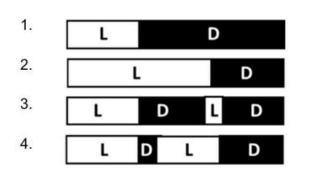
Correct option is D
Explanation-
PFK-1 catalyzes the conversion of fructose-6-phosphate to fructose-1,6-bisphosphate. This is a rate-limiting and highly regulated step in glycolysis. Its activity is controlled by the energy needs of the cell through allosteric regulation by certain metabolites.
Option d: Increased fructose 2,6-bisphosphate concentration
It increases the enzyme's affinity for fructose-6-phosphate. It also reduces ATP’s inhibitory effect. F2,6BP levels are hormonally regulated (e.g., by insulin and glucagon), linking glycolysis to the body’s metabolic state.
Incorrect options-
Option a: Increased ATP concentration
When ATP levels are high, it binds to a regulatory site (not the active site) of PFK-1 and inhibits its activity. This is a form of feedback inhibition, where high energy status of the cell slows down glycolysis.
Option b: Decreased AMP concentration
When energy is low, AMP levels rise and stimulate PFK-1 to speed up glycolysis for energy production. So, if AMP is decreased, this activation is lost
Option c: High citrate levels
High citrate allosterically inhibits PFK-1, acting as a feedback inhibitor and slowing down glycolysis.
Final answer - Option d - Increased F2,6BP strongly activates PFK-1 → Correct answer