






Correct option is B
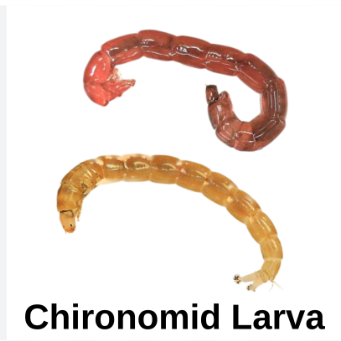
Unlike most insects, Chironomid larvae lack spiracles and rely entirely on cutaneous respiration (gas exchange through their thin skin).
They often possess respiratory pigments like hemoglobin, which help in oxygen transport, allowing them to survive in oxygen-deficient water.
Their habitat includes polluted or stagnant water bodies, where oxygen levels are typically low.
Cecidomyiid larvae (Gall midges - Family: Cecidomyiidae) Have functional spiracles and are often found inside plant tissues, where they cause gall formation.
Mycetophilid larvae (Fungus gnats - Family: Mycetophilidae) Also possess spiracles and are found in moist environments like decaying organic matter and fungi.
Psycodid larvae (Moth flies or Drain flies - Family: Psychodidae) Have functional spiracles and live in moist, decaying organic matter such as drains or sewage.
 English
 100 Questions
 125 Marks
 80 Mins


