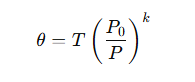
Correct option is A
Introduction:
- Uranium (U), atomic number 92) is a primordial, naturally occurring radioactive element.
- Natural uranium is a mixture of three major isotopes, all of which are radioactive: Uranium-238, and a trace amount of Uranium-234.
- The difference in their natural abundance is primarily due to their respective half-lives and their role in the long-term radioactive decay chains.
- The question includes Uranium-233 (), which is not a naturally abundant isotope, making the sequence largely determined by comparing a synthetic isotope with three natural ones.
- The sequence is based on the approximate natural abundance (by atom percent) of each isotope:
| Isotope | Symbol | Approximate Natural Abundance (%) | Origin / Status |
| U-233 | | | Synthetic/Man-made. Produced from Thorium-232 in reactors. Virtually non-existent in natural uranium. |
| U-234 | | | Natural Decay Product. Part of the decay chain; found in secular equilibrium with its parent. |
| U-235 | | | Primordial. The only naturally occurring fissile isotope. |
| U-238 | | | Primordial. The most abundant and stable natural uranium isotope. |
U-233 : Because is an artificial isotope produced in the Thorium fuel cycle (, its concentration in naturally occurring uranium is essentially zero. It is therefore the lowest in the sequence.
U-234: is naturally present not because it is primordial, but because it is a decay product in the long-lived , which eventually decays to
U-235 : As one of the two primordial isotopes, has a much greater abundance than the trace decay product . Its concentration is critical as it is the fuel for most commercial nuclear reactors.
U-238: This isotope, with a half-life nearly equal to the age of the Earth, is the dominant component of natural uranium.
 English
 10 Questions
 20 Marks
 12 Mins
 Choose the correct answer: