






Correct option is B
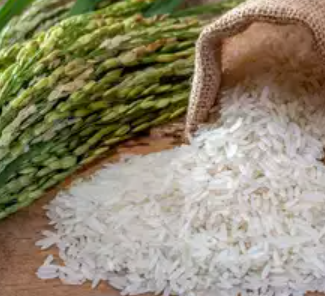
The correct answer is: B) Rice
Explanation:
Brown manuring is most commonly practiced in rice cultivation. In this method, a green manure crop like Sesbania is sown alongside direct-seeded rice. After a few weeks, the green manure crop is killed (typically by using a herbicide like 2,4-D) while still in the field. The dead mulch covers the soil surface, helping to suppress weeds, conserve moisture, and improve soil organic matter as it decomposes. This method is especially beneficial in direct-seeded rice (DSR) systems.
Brown manuring is most commonly practiced in rice cultivation. In this method, a green manure crop like Sesbania is sown alongside direct-seeded rice. After a few weeks, the green manure crop is killed (typically by using a herbicide like 2,4-D) while still in the field. The dead mulch covers the soil surface, helping to suppress weeds, conserve moisture, and improve soil organic matter as it decomposes. This method is especially beneficial in direct-seeded rice (DSR) systems.
Information Key Points:
Brown manuring is practiced mainly in direct-seeded rice (DSR) fields.
Green manure crops like Sesbania are sown along with rice and then chemically killed.
It helps in weed control, moisture conservation, and enhances soil organic matter.
Additional Information (Other Options):
Chickpea: Chickpea fields generally do not use brown manuring, as early competition with any other plant affects its yield badly.
Maize: In maize cultivation, cover crops and mulching are more common.
Wheat: Brown manuring can be used occasionally in wheat, but it is more popular and commonly recommended in rice fields, particularly in direct-seeded rice systems.
 English
 60 Questions
 60 Marks
 45 Mins


