






Correct option is B
According to
Alfred Weber’s Theory of Industrial Location, the
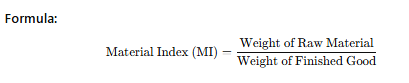
Material Index (MI) is calculated as the ratio of the
weight of raw material to the
weight of the finished good. This index helps determine the extent to which an industry is either material-oriented (closer to raw materials) or market-oriented (closer to the market). If the Material Index is greater than 1, the industry tends to be located near the raw material sources to minimize transportation costs.
Information Booster:
·
Material Index is crucial in determining the optimal location for industries based on transportation costs.
·
MI > 1: Industry is raw-material oriented (e.g., mining, cement industries).
·
MI < 1: Industry is market-oriented (e.g., soft drink production).
· This concept is a core component of Weber’s Least-Cost Theory, which aims to minimize total transportation, labor, and agglomeration costs.
 English
 10 Questions
 20 Marks
 12 Mins


