Correct option is B
Correct Answer: b) Haploid
Explanation:
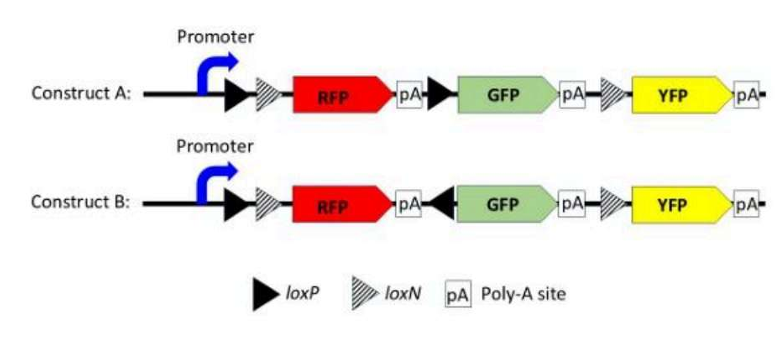
Chromosome segregation defects during the cross resulted in plants that lost one parental chromosome set (genome elimination) and regenerated as haploids. The regenerated plants were sterile (a common feature of haploids because they cannot undergo normal meiosis) and displayed recessive phenotypes (purple), which is expected when only a single (unmasked) allele is present. They also lacked the R-comp transgene because the chromosome that carried the ectopic rescue (inserted on chromosome 4) was absent in those regenerated plants — consistent with whole-set elimination rather than a simple local deletion. All these observations point to haploidy rather than trisomy or triploidy.
Additional Knowledge (why other options are wrong):
a) Triploid: Would carry three chromosome sets (2n + n) and therefore would likely still carry the transgene present in the parent unless a very specific loss occurred; triploids are not the best fit for uniform sterility + loss of a specific chromosome set.
c) Chromosome 4 trisomy: That implies an extra copy of chromosome 4 (so the transgene on chr4 should still be present), which contradicts the observation that the regenerated plants lacked the R-comp transgene.
d) Monosomic diploid (one chromosome missing in an otherwise diploid background): This is a single-chromosome loss; it doesn’t explain the broader chromosome segregation defects and the sterile, recessive phenotype pattern as cleanly as whole-set elimination (haploid).